Sep 04, 2020
Five fun facts about Cuba's natural wildlife
- Story
- Cuba Direct
A few weeks ago I gave five fun facts about Cuba, focusing on the country’s size, its UNESCO World Heritage sites, its main exports and the popularity of baseball. In this article I focus on Cuba’s natural wildlife. Whilst Cuba’s stunning cities and pristine beaches are a big draw for tourists, Cuba also has outstanding areas of biodiversity scattered across the island that are well worth a visit. Here are the fun facts:
-
Cuba is home to an estimated 7000 different species of plants
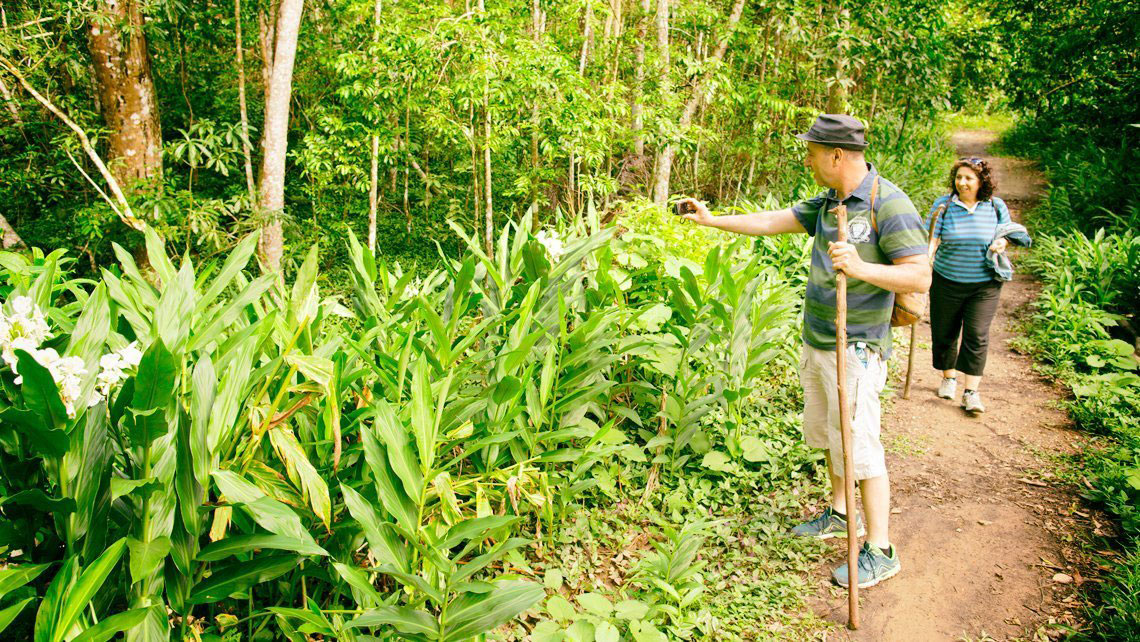
Cuba’s climate and terrain give it perfect conditions for a whole range of plants to flourish. Of the 7000 or so species on the island, around half of these species can be found nowhere else in the world. It is impossible not to witness the vibrant colours of Cuba’s plant life - if you are in a rural area then it will be growing naturally all around you, but even if you are in an urban setting, flowers and plants can often be seen growing in people’s houses and in any available green spaces.
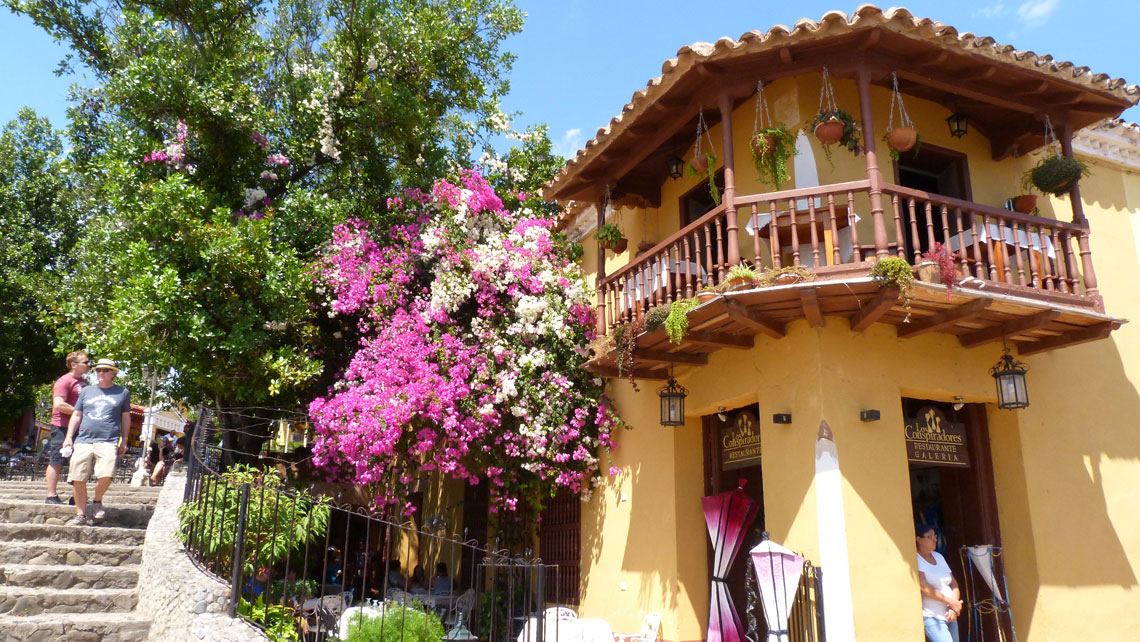
Florists are very popular in Cuba, and for a very low price it is possible to buy the most magnificent bouquets of flowers. The beauty of flowers combined with their romantic role, means that are often referenced in the lyrics of Cuban songs. One particularly well known examples old bolero piece called Dos gardenias, meaning "Two Gardenias", that was re-recorded for the seminal Buena Vista Social Club album.
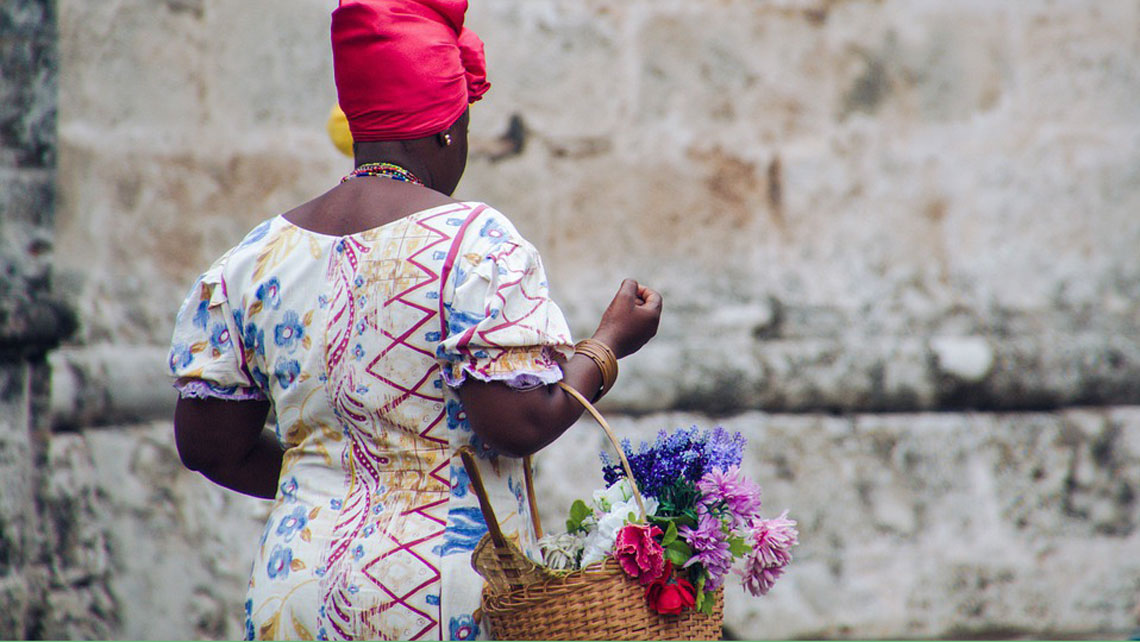
As well as getting to experience the sight and smell of the plants in Cuba, tasting them is also one of life’s great pleasures. Cuba has an abundance of fresh fruits all year round, and nothing quite beats eating a freshly chopped watermelon or a ripe papaya that has recently been picked from the tree. More information about Cuban fruits can be found here.
-
There are almost no animals or plants in Cuba that are poisonous or lethal to humans.
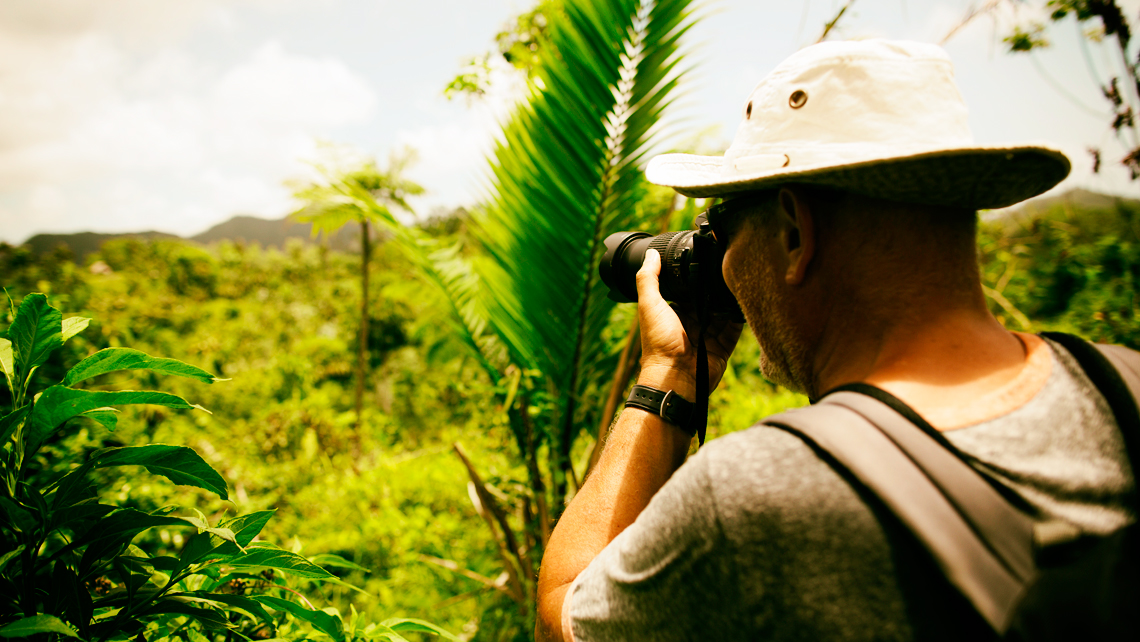
Cuba is rich in tropical vegetation, and consequently some visitors think that the country must be a haven for natural hazards. In fact, this couldn’t be further from the truth. On the contrary, Cuba is a remarkably safe place with far fewer natural dangers than most other countries in the world. This applies not just to the mainland, but also swimming in the sea too - most of the coastal waters are too shallow for sharks to patrol. In total, there have only been 11 recorded shark attacks in Cuba since 1580, compared with more than 1300 in the USA.
Now, I mentioned that there are "almost" no animals or plants that are poisonous or lethal to humans. Cuba is home to the Cuban Crocodile, but it is in such small numbers that it is listed by the International Union for Conservation of Nature as being critically endangered, and can only be found on the Isle of Youth and the Zapata Swamp. In fact, the only way a visitor would ever be likely to see one in Cuba is at the zoo.
-
Cuba is home to one of the world’s smallest frogs
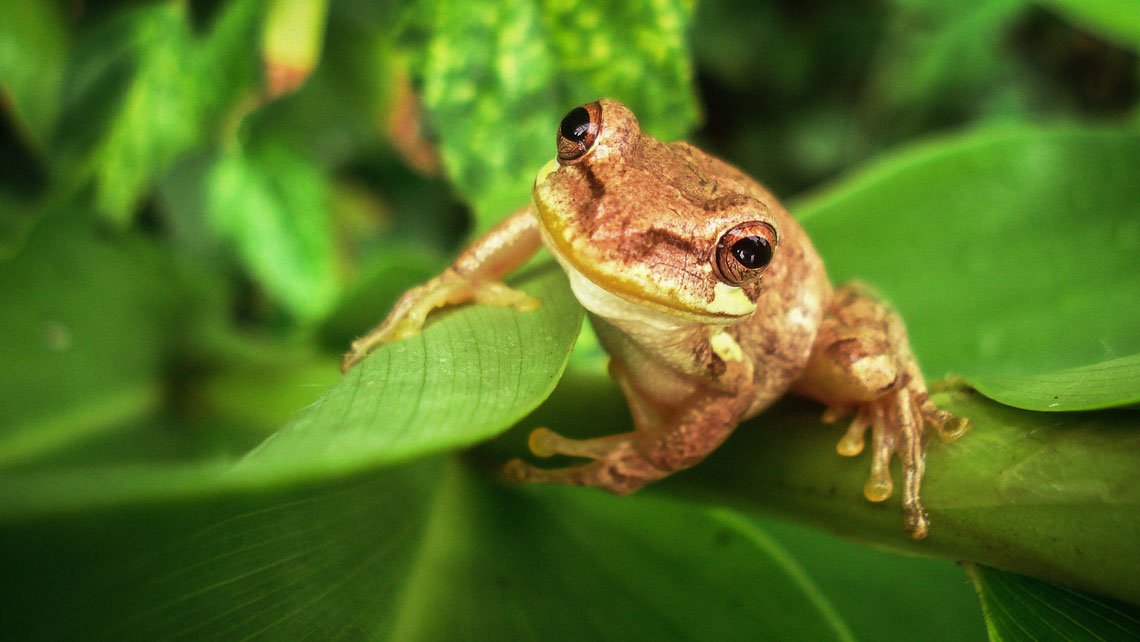
The Mount Iberia dwarf frog (also known as Monte Iberia eleuth) has a body that grows to a maximum of ten millimetres long. There are a few frogs that are smaller in the world’s southern hemisphere, but this is considered to be the smallest frog that has ever been discovered in the northern hemisphere.
The Mount Iberia dwarf frog is critically endangered, and can only be found in the Holguín province. They actually get their name from the mountain in that province where they were first discovered in 1993. Being a relatively recent discovery, there are still plenty of unknown things about this frog. One thing is for certain, though; despite being absolutely tiny, its diet is similar to that of small frogs in general, and it manages to survive by easting insects, moths and spiders. The frog is closely related to other tiny frogs in Cuba, such as the yellow-striped dwarf frog and the Baracoa dwarf frog.
-
Cuba is home to the largest flamingo colonies in the western hemisphere.
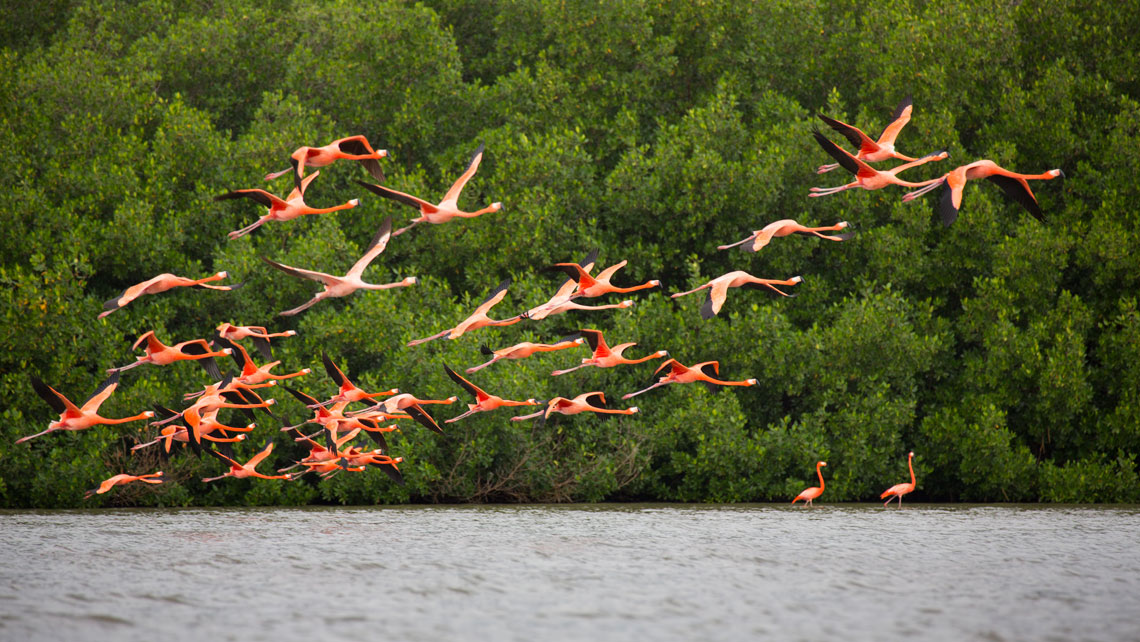
Cuba is home to approximately 70 thousand Caribbean flamingos and 50 thousand chicks. The largest colony can be found in the Rio Maximo Wildlife Reserve, where Cuban biologists are focused on the conservation and rehabilitation of the birds. They are quite a sight to behold: together as a colony they colour the landscape in a hue of pink, and closeup they have the most extraordinary delicate legs and elongated necks. Watching them take flight is not dissimilar to watching an aeroplane take off, in the sense that they need a run up before taking off into the air. Interestingly, they usually sleep or rest standing in an upright position on one leg, whilst the other leg is tucked under its wing where it nestles its head.
-
Cuba is home to the world’s smallest bird
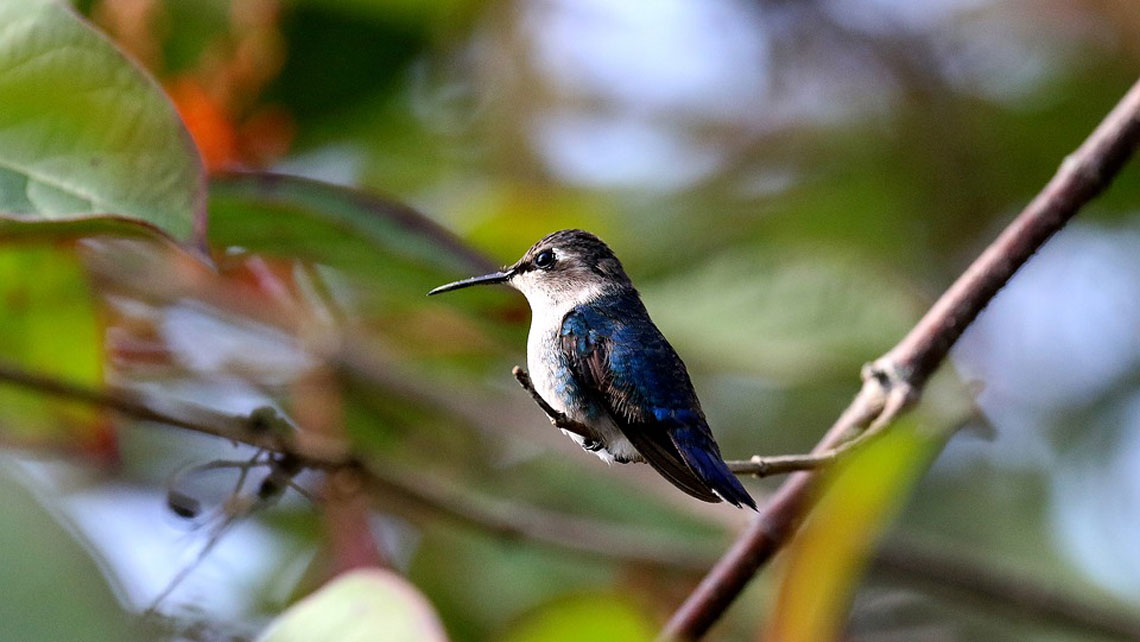
Known as a "bee hummingbird", or "zunzuncito" in Spanish, it grows to a maximum length of just 61 millimetres from beak to tail. It is endemic to Cuba, and has an onomatopoeic name that derives from the "hum" (or "zun" in Spanish) of the wings that can spend much of the day beating at a rate of up to 80 times per second, and even up to 200 times per second if a male bee hummingbird is trying to impress a female during mating season.
The bee hummingbird plays an important role in plant reproduction, visiting as many as 1500 flowers in a day. They are most commonly found in the Zapata Swamp and in eastern Cuba, including at the UNESCO World Heritage site of Alejandro de Humboldt National Park, an area that is considered to be one of the most important nature reserves in the Caribbean. For ten fun facts about the bee hummingbird, click here.
It is worth noting that as well as bee hummingbirds and Caribbean flamingos, Cuba is home to around 350 species of birds, 27 of which are endemic to the country, making it a paradise for bird-lovers.





Leave a comment